
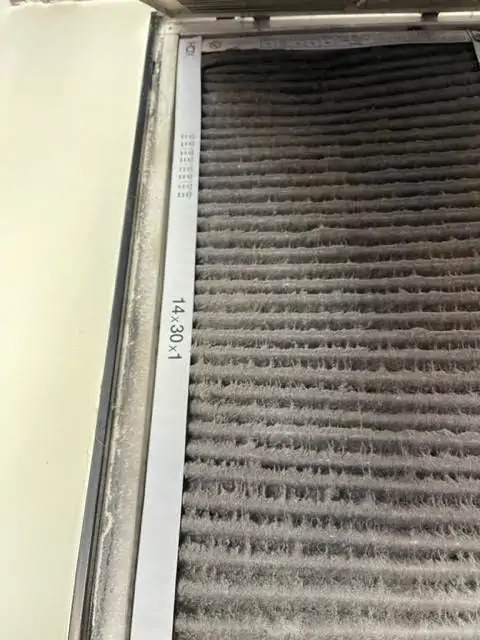
For 2026 spring and summer season the indoor air quality during peak allergy season. Allergy season can turn everyday indoor spaces into environments filled with airborne irritants. While pollen outdoors often receives the most attention, indoor air can actually contain higher concentrations of allergens due to limited ventilation and continuous HVAC circulation. Dust, mold spores, pet dander, and microscopic particles accumulate inside buildings and repeatedly move through heating and cooling systems.
Maintaining healthy Indoor Air Quality (IAQ) BenzVac during peak allergy months helps reduce respiratory irritation, improve comfort, and support overall wellness. Understanding how allergens enter and circulate indoors is the first step toward controlling exposure.
Learn How to Improve IAQ to Tackle Allergens
Improving indoor air quality requires a combination of proper HVAC maintenance, filtration, and moisture control. During allergy season, systems run more frequently, which means contaminants trapped inside ducts and equipment are more likely to spread throughout occupied spaces.
Key IAQ improvement strategies include:
- Regular HVAC inspections and maintenance
- High-quality air filtration replacement
- Proper ventilation and airflow balance
- Humidity control between 30–50%
- Removal of dust and debris within HVAC components
When these elements work together, indoor environments become significantly healthier for occupants sensitive to allergens.
Cleaner Ducts: Removing Hidden Allergens
Air ducts act as pathways that distribute conditioned air throughout a home or commercial building. Over time, they collect contaminants such as:
- Dust and fine debris
- Pollen brought in from outdoors
- Pet dander
- Construction residue
- Microbial particles
Each HVAC cycle can release these particles back into living areas. Professional duct cleaning removes accumulated buildup using specialized equipment designed to capture contaminants rather than spread them.
Cleaner ducts help:
- Reduce airborne allergens
- Improve airflow efficiency
- Minimize dust settling on surfaces
- Support fresher indoor air circulation
For many allergy sufferers, cleaner ductwork leads to noticeable improvements in indoor comfort.
Mold Spores and Dust Mites are Invisible Silent Irritants
Some of the most problematic allergens cannot be seen with the naked eye.
Mold Spores
Mold develops in areas where moisture and organic material combine, including HVAC components such as coils and drain pans. Once airborne, mold spores may trigger sneezing, coughing, sinus irritation, and asthma symptoms.
Preventing moisture buildup and maintaining clean HVAC equipment greatly reduces the risk of mold growth.
Dust Mites
Dust mites thrive in warm indoor environments and live within household dust. Air movement from HVAC systems easily distributes these microscopic irritants throughout indoor spaces.
Routine cleaning, filtration upgrades, and humidity management help control dust mite populations.
Radon An Invisible Threat to Indoor Air Quality
Beyond allergens, indoor air may contain hazards that are completely undetectable without testing. Radon is a naturally occurring radioactive gas that enters buildings through foundation cracks and soil openings.
Because radon is:
- Colorless
- Odorless
- Invisible
it often goes unnoticed. Long-term exposure has been linked to serious health risks, making periodic testing an important part of indoor air quality management especially during allergy season when buildings remain closed for extended periods.
Testing kits or professional assessments can determine whether mitigation is necessary.
Take Steps to Improve Indoor Air This Allergy Season
Small preventive actions can make a significant difference in air quality and comfort.
Consider these practical steps:
- Replace HVAC filters every 1–3 months
- Use high-efficiency pleated or HEPA filtration where appropriate
- Keep vents and returns unobstructed
- Schedule seasonal HVAC cleaning and dryer vent cleaning
- Control indoor humidity levels
- Improve ventilation when outdoor conditions allow
Consistency is key; regular maintenance prevents allergens from accumulating over time.
How Clean Are the Air Ducts?
Because duct systems are hidden behind walls and ceilings, contamination often goes unnoticed. Signs that ducts may require attention include:
- Persistent indoor dust buildup
- Allergy symptoms worsening indoors
- Musty or stale odors when HVAC operates
- Uneven airflow between rooms
- Visible debris near vents
- coming kids allergies
Periodic inspections help determine whether cleaning is necessary and ensure air circulation remains efficient and hygienic.
How Clean and Efficient Cooling Coil for the Peak Allergy Season?
HVAC coils play an essential role in temperature regulation and moisture removal. When coils become dirty, they can:
- Restrict airflow
- Increase system strain
- Trap contaminants
- Promote mold growth
- Reduce energy efficiency
Professional coil cleaning removes accumulated debris and restores proper heat exchange. Clean coils help maintain balanced humidity, improve airflow, and reduce the spread of airborne irritants throughout the building.
Creating a Healthier Indoor Environment with BenzVac
Indoor air quality during peak allergy season depends largely on HVAC system condition and maintenance practices. Clean ducts, efficient coils, proper filtration, and routine inspections work together to minimize allergens and improve indoor comfort.
By taking proactive steps to maintain HVAC systems and monitor indoor air conditions, homeowners and businesses can create healthier environments where occupants breathe easier even during the height of allergy season.


