DIY Air Duct Cleaning vs. Professional Air Duct Cleaning: Is It Worth Doing Yourself?
Many homeowners enjoy tackling projects around the house. Painting a room, replacing a faucet, or installing shelving can save money and provide a sense of accomplishment. Naturally, many people wonder whether air duct cleaning is another project they can handle themselves.
The short answer is yes but only to a limited extent.
While homeowners can safely perform certain maintenance tasks around HVAC vents and registers, cleaning an entire duct system requires specialized equipment, training, and procedures that simply cannot be duplicated with a household vacuum.
Understanding the difference between DIY duct maintenance and professional air duct cleaning can help you protect your HVAC system, improve indoor air quality, and avoid expensive mistakes.
What Is Air Duct Cleaning?
Air duct cleaning is the process of removing dust, dirt, construction debris, pet hair, pollen, allergens, and other contaminants from the components of a home’s heating and cooling system.
A complete cleaning typically includes:
- Supply air ducts
- Return air ducts
- Supply registers
- Return grilles
- Main trunk lines
- Air handler
- Blower motor
- Blower compartment
- Evaporator coil (when accessible)
- Drain pan
- Plenum
- Filter housing
Professional companies follow cleaning procedures designed to remove contaminants without releasing them back into the home.
Why Dirty Ducts Matter
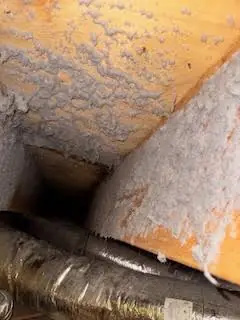
Over time, every HVAC system accumulates dust.
In many homes, the buildup is minimal and causes little concern. However, certain situations can lead to significant contamination, including:
- Home renovations
- Construction projects
- Water damage
- Mold growth
- Pet dander
- Heavy smoking
- Pest infestations
- Long-overdue maintenance
- Clogged air filters
Dirty ductwork may contribute to:
- Reduced airflow
- Increased HVAC wear
- Dust settling on furniture
- Musty odors
- Allergy symptoms
- Reduced HVAC efficiency
Can You Clean Air Ducts Yourself?
To some degree, yes.
There are several maintenance tasks homeowners can safely perform that help keep vents cleaner between professional services.
These tasks are valuable but should not be confused with a complete duct cleaning.
What Homeowners Can Safely Clean
1. Supply and Return Registers
Removing vent covers and washing them with warm water and mild detergent is perfectly safe.
After drying completely, reinstall them securely.
2. Dust Around Vent Openings
Using a vacuum with a soft brush attachment, you can remove dust from:
- Around registers
- Wall vents
- Floor vents
- Ceiling diffusers
This improves appearance and prevents loose dust from blowing into rooms.
3. Replace HVAC Filters
Changing air filters is one of the most important maintenance tasks homeowners can perform.
A clean filter helps:
- Protect equipment
- Improve airflow
- Reduce dust
- Extend HVAC lifespan
Most disposable filters should be checked monthly and replaced every 1–3 months, depending on household conditions.
4. Keep Supply Registers Unblocked
Furniture, rugs, curtains, and boxes can restrict airflow.
Ensure vents remain open and unobstructed.
5. Vacuum a Few Inches Inside the Duct
Using a household vacuum hose, you may gently remove loose debris located just inside the vent opening.
Avoid pushing hoses deep into the ductwork.
What DIY Cleaning Cannot Do
Many online videos suggest homeowners can clean ducts using:
- Leaf blowers
- Shop vacuums
- Household vacuums
- Long brushes
- Dryer vent brushes
- Air compressors
Unfortunately, these methods cannot properly clean an HVAC system.
Dust located 20–40 feet inside ductwork simply cannot be reached with consumer tools.
More importantly, disturbing contaminants without proper containment often spreads dust throughout the home.
Why Household Vacuums Are Not Enough
Most household vacuums produce only a fraction of the airflow required for duct cleaning.
Professional systems generate thousands of cubic feet per minute (CFM) of airflow while maintaining continuous negative pressure.
Without sufficient airflow:
- Dust stays inside ducts
- Debris settles elsewhere
- Larger contaminants remain attached
The Biggest DIY Mistakes
Using a Leaf Blower
A leaf blower may push dust deeper into the duct system or force contaminants into living spaces.
Using Rotary Brushes
Aggressive brushes may damage:
- Flexible duct
- Duct liner
- Insulation
- Air seals
Spraying Chemicals
Homeowners sometimes spray disinfectants or fragrances into vents.
Improper chemical use can:
- Damage HVAC components
- Leave residues
- Affect indoor air quality
- Void manufacturer warranties
Removing Components Improperly
Disconnecting duct sections or HVAC components without experience can lead to:
- Air leaks
- Reduced efficiency
- Costly repairs
What Professional Air Duct Cleaning Includes
Professional duct cleaning is much more than vacuuming vents.
Certified technicians clean the entire HVAC system using specialized equipment designed specifically for ductwork.
Typical steps include:
- System inspection
- Protecting floors and furnishings
- Creating negative pressure
- Agitating contaminants
- Cleaning branch lines
- Cleaning main trunk lines
- Cleaning blower compartment
- Cleaning air handler
- Cleaning accessible coils
- Cleaning drain pan
- Final inspection
Professional Equipment Makes the Difference
Negative Air Machine
The heart of professional duct cleaning is a negative air machine.
This large vacuum continuously pulls air through the duct system while debris is dislodged.
Instead of blowing contaminants into the home, everything travels toward a HEPA-filtered collection system.
HEPA Filtration
Professional equipment often includes multi-stage HEPA filtration capable of capturing extremely small particles.
This helps prevent contaminants from being reintroduced into indoor air.
Compressed Air Cleaning Tools
Technicians use specialized compressed-air tools that safely dislodge contaminants from duct surfaces.
Examples include:
- Air whips
- Skipper balls
- Reverse skipper tools
- Air snakes
- Directional air nozzles
These tools reach areas impossible to access with household equipment.
Rotary Brush Systems
When appropriate for the duct material, commercial rotary brush systems loosen stubborn debris while negative pressure continuously captures contaminants.
Professional technicians select the correct brush type based on:
- Sheet metal ducts
- Fiberglass-lined ducts
- Flexible ducts
Improper brush selection can damage ductwork.
Inspection Cameras
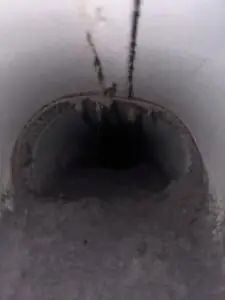
Many companies use high-resolution inspection cameras to verify cleanliness before and after service.
Why Negative Pressure Matters
Negative pressure is one of the most important concepts in professional duct cleaning.
Think of it as a giant vacuum that continuously pulls air through the HVAC system.
As technicians loosen debris:
- Dust travels toward the vacuum
- Debris stays contained
- Indoor air remains cleaner
- Cross contamination is minimized
Without negative pressure, contaminants often become airborne inside the home.
Why Compressed Air Cleaning Works Better
Compressed air tools create controlled bursts of air that separate debris from duct walls.
Unlike household air compressors blowing randomly into vents, professional systems are carefully matched with powerful vacuum collection equipment.
This combination removes contaminants instead of simply moving them around.
Why NADCA Standards Matter
The National Air Duct Cleaners Association (NADCA) has developed internationally recognized standards for HVAC system inspection, cleaning, and restoration.
Professional companies following NADCA ACR The NADCA Standard perform cleaning using established industry procedures designed to protect HVAC systems and occupants.
These standards emphasize:
- Source removal
- System inspection
- Proper containment
- Equipment selection
- Worker safety
- Documentation
- Component cleaning
- Verification
Rather than simply making ducts “look clean,” the objective is to remove contaminants from the entire HVAC system safely and effectively.
DIY vs Professional Comparison
| Feature | DIY | Professional |
| Clean vent covers | ✔ | ✔ |
| Replace filters | ✔ | ✔ |
| Vacuum near vents | ✔ | ✔ |
| Clean entire duct system | ✘ | ✔ |
| Clean blower compartment | ✘ | ✔ |
| Clean air handler | ✘ | ✔ |
| Use HEPA negative air machine | ✘ | ✔ |
| Compressed air cleaning | ✘ | ✔ |
| Camera inspection | ✘ | ✔ |
| NADCA procedures | ✘ | ✔ |
When DIY Maintenance Is Enough
Simple homeowner maintenance is appropriate when:
- You recently had professional duct cleaning
- Filters are changed regularly
- There is little dust buildup
- No remodeling has occurred
- No unusual odors exist
- Airflow remains normal
When Professional Cleaning Is Recommended
Professional cleaning may be appropriate after:
- Major renovations
- Water damage
- Fire or smoke damage
- Pest infestations
- Mold remediation (when appropriate)
- Purchasing an older home
- Long periods without maintenance
- Heavy dust accumulation
- HVAC replacement
- Construction projects
Common Signs Your Air Ducts May Need Professional Cleaning
Watch for signs such as:
- Dust blowing from vents
- Musty odors
- Excessive household dust
- Visible debris inside ducts
- Uneven airflow
- Allergy symptoms indoors
- Pet hair accumulation
- Dirty HVAC components
These signs do not always mean duct cleaning is necessary, but they may indicate that a professional inspection is worthwhile.
Frequently Asked Questions
Can I clean my air ducts with a Shop-Vac?
A Shop-Vac can remove loose dust near vent openings, but it cannot clean the entire duct system or generate the airflow required for source-removal cleaning.
Is duct cleaning messy?
Professional cleaning should include containment measures and negative pressure to minimize dust release into the home.
How often should air ducts be cleaned?
There is no one-size-fits-all schedule. The need depends on factors such as occupancy, pets, renovations, filter maintenance, and overall system condition. A professional inspection can help determine whether cleaning is appropriate.
Will duct cleaning reduce dust in my home?
If excessive dust originates from contaminated HVAC components, professional cleaning may help reduce recirculating dust. However, dust can also come from outdoor air, carpets, furniture, occupants, and everyday household activities.
Can duct cleaning improve HVAC efficiency?
When dust buildup restricts airflow or accumulates on critical HVAC components, cleaning may help restore normal system performance. Efficiency also depends on filter maintenance, equipment condition, duct design, and regular HVAC servicing.
Choosing a Qualified Air Duct Cleaning Company
When comparing contractors, consider asking:
- Do you inspect the entire HVAC system?
- What equipment do you use?
- Do you use negative air machines?
- Do you use HEPA filtration?
- Do you perform source-removal cleaning?
- Do you clean the blower compartment?
- Do you clean the air handler?
- Can you provide before-and-after photos?
- Are your technicians trained in industry standards?
- Are you licensed and insured where required?
Avoid companies advertising unrealistically low prices that promise to clean an entire home in less than an hour. A thorough cleaning typically requires specialized equipment, trained technicians, and adequate time to properly inspect and clean the HVAC system.
Final Thoughts
DIY air duct maintenance has its place. Washing registers, replacing HVAC filters, keeping vents unobstructed, and vacuuming around vent openings are all worthwhile tasks that help maintain your home’s HVAC system.
However, these activities are not a substitute for professional air duct cleaning. Removing contaminants from the full duct network, blower compartment, air handler, and other HVAC components requires specialized HVAC vacuum systems, negative air machines, compressed air cleaning tools, inspection equipment, and established cleaning procedures.
If your home has experienced renovation, excessive dust, water damage, persistent odors, or years of accumulated debris, a professional inspection can help determine whether a full HVAC system cleaning is appropriate.
For homeowners, the best approach is often a combination of regular DIY maintenance and professional service when conditions warrant it. This balanced strategy helps maintain cleaner indoor air, protects HVAC equipment, and supports the long-term performance of your heating and cooling system.