
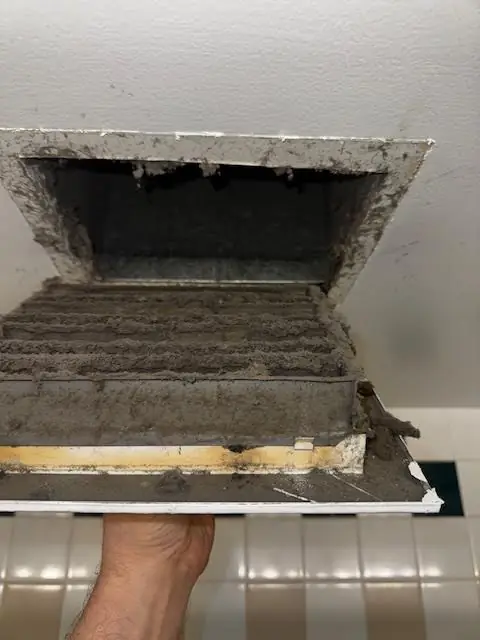
Why Is There Dust in My House Even After Cleaning? 15 Hidden Causes and Solutions
You vacuum the floors, wipe the furniture, and dust the shelves—only to find a thin layer of dust returning a day or two later. If you’ve been asking yourself, “Why is there dust in my house even after cleaning?”, you’re not alone.
Dust is one of the most common indoor air quality complaints among homeowners. While some dust is normal, excessive dust buildup may indicate hidden problems such as dirty air ducts, clogged HVAC filters, poor airflow, pet dander, low humidity, or even construction debris.
Understanding where dust comes from and why it keeps circulating throughout your home can help you reduce dust, improve indoor air quality, and create a healthier living environment.
What Causes Dust in a House?
Many people assume dust comes only from outside. In reality, household dust is a mixture of particles generated both indoors and outdoors.
Household dust commonly contains:
- Dead skin cells shed by humans and pets
- Pet hair and dander
- Pollen and mold spores
- Fabric fibers from carpets and clothing
- Dust mites and their waste
- Dirt tracked in from outdoors
- Cooking grease particles
- Construction debris and drywall dust
- Microscopic contaminants and insect fragments
Because your HVAC system constantly circulates air throughout the home, these particles continue moving before settling on furniture, floors, and other surfaces.
Why Is There Dust in My House So Fast?
1. Heavy Foot Traffic
Family members, children, visitors, and pets bring dirt, pollen, and debris into your home every day.
2. Open Windows and Doors
Fresh air is great, but outdoor air also carries pollen, dust, and microscopic contaminants.
3. Recent Construction or Remodeling
Drywall dust, sawdust, and insulation fibers can linger for months and continuously circulate through your HVAC system.
4. Low Humidity
Dry indoor air allows dust particles to remain airborne longer.
5. Poor Cleaning Methods
Feather dusters and low-quality vacuums often redistribute dust rather than remove it.
Can Dirty Air Ducts Cause Dust in Your House?
Yes—but not always.
Your heating and cooling system acts like the lungs of your home. Over time, dust accumulates inside:
- Supply ducts
- Return ducts
- Registers
- Blower compartments
- Air handler cabinets
- Evaporator coils
Although some dust inside ductwork is normal, excessive buildup may contribute to dust coming from air vents and recurring dust problems.
Signs Your Air Ducts May Need Cleaning
You may benefit from professional air duct cleaning if:
- Dust returns shortly after cleaning.
- Dust blows from air vents.
- Registers have visible buildup.
- HVAC filters become dirty quickly.
- Allergy symptoms worsen indoors.
- Pets live inside the home.
- Construction or remodeling recently occurred.
- Musty odors appear when the HVAC system runs.
Is Your HVAC Filter Making Your House Dusty?
Your HVAC filter is your home’s first defense against dust and airborne particles.
If the filter is clogged, damaged, or improperly installed, dust may bypass the filter and recirculate throughout your house.
Best Filter Ratings for Dust Control
Most homes benefit from:
- MERV 8 filters
- MERV 11 filters
- MERV 13 filters
Higher-efficiency filters capture smaller particles and improve indoor air quality.
Hidden Places Where Dust Builds Up
Sometimes the source of dust isn’t your ductwork.
Common dust reservoirs include:
Upholstered Furniture
Fabric furniture traps lint, skin cells, and pet hair.
Carpets and Rugs
Carpet fibers hold large amounts of dust and allergens.
Mattresses and Bedding
Dust mites thrive in pillows and blankets.
Curtains and Blinds
Window coverings act like filters and collect dust over time.
Ceiling Fans
Dust accumulated on fan blades becomes airborne whenever the fan runs.
Pet Hair and Dander: A Major Source of Dust
Pets are one of the largest contributors to household dust.
Pet-related contaminants include:
- Hair and fur
- Skin flakes (dander)
- Dirt tracked from outside
- Saliva proteins that trigger allergies
Homes with dogs and cats often require:
- More frequent vacuuming
- More frequent filter replacement
- Regular grooming
- Periodic air duct cleaning
How Humidity Affects Dust
Humidity levels play an important role in dust accumulation.
Low Humidity
Dry air keeps dust suspended in the air longer.
High Humidity
Excess moisture promotes:
- Dust mites
- Mold growth
- Airborne spores
The ideal indoor humidity level is between 40% and 50%.
Leaky Ductwork Can Bring Dust Into Your Home
Leaky return ducts may pull dust from:
- Attics
- Basements
- Crawl spaces
- Wall cavities
- Garages
Signs of leaky ductwork include:
- Uneven temperatures
- Weak airflow
- High utility bills
- Excessive dust despite cleaning
Professional duct sealing can improve airflow and reduce airborne contaminants.
How to Reduce Dust in Your House
If your house gets dusty quickly, these steps may help:
- Change HVAC filters regularly.
- Use a HEPA vacuum.
- Dust with microfiber cloths.
- Wash bedding weekly.
- Groom pets regularly.
- Maintain humidity between 40% and 50%.
- Seal air leaks around windows and doors.
- Schedule regular HVAC maintenance.
- Consider professional air duct cleaning when needed.
How Often Should Air Ducts Be Cleaned?
Most homes don’t require annual duct cleaning. However, homeowners often choose cleaning every three to five years depending on:
- Pets
- Allergies
- Smoking indoors
- Remodeling projects
- Water damage
- Heavy dust accumulation
Frequently Asked Questions
Why is there dust in my house even after cleaning?
Dust comes from people, pets, fabrics, outdoor contaminants, and your HVAC system. Dirty filters and poor airflow can make dust problems worse.
Why does my house get dusty so quickly?
Heavy foot traffic, pets, poor filtration, dirty air ducts, and low humidity are common causes.
Can dirty air ducts cause excessive dust?
Yes. Dust buildup inside ductwork may contribute to recurring dust problems, especially after renovations or years without maintenance.
What MERV filter is best for reducing dust?
Most homes benefit from MERV 8 to MERV 13 filters.
Final Thoughts
If you’ve been wondering, “Why is there dust in my house even after cleaning?”, the answer is usually a combination of several factors rather than one single issue.
According to the EPA’s guide to air duct cleaning, routine duct cleaning is not always necessary, but certain conditions may justify professional cleaning.
Dust comes from everyday activities, pets, fabrics, outdoor pollutants, and the HVAC system that circulates air throughout your home. Dirty filters, leaky ductwork, construction debris, and poor humidity control can all contribute to excessive dust buildup.
With proper HVAC maintenance, quality filtration, and regular cleaning, you can significantly reduce dust and improve your home’s indoor air quality.
Need Professional Air Duct Cleaning in New Jersey or New York?
BenzVac provides professional air duct cleaning, dryer vent cleaning, coil cleaning, and HVAC maintenance services throughout New Jersey and New York. BenzVac use powerful negative-air equipment and HEPA filtration to remove dust, pet hair, allergens, and debris from your HVAC system, helping improve airflow and indoor air quality.


